
Case Studies on Successful Building Lifecycle Optimization: Harnessing AI for Enhanced Efficiency
- James W.
- Jun 21
- 2 min read
Case Studies on Successful Building Lifecycle Optimization: Harnessing AI for Enhanced Efficiency
Introduction
The construction and real estate sectors are increasingly evolving due to technological advancements, particularly in artificial intelligence (AI). Given that buildings contribute approximately 37% of global carbon emissions, their optimization is essential for sustainability and reducing environmental impact. Cognitive Corp’s mission is to orchestrate data, systems, and workforce into a single intelligence engine, providing governance and measurable ROI for facility management through AI-enabled solutions.
AI Integration in Building Lifecycle Management
Integrating AI technologies into building lifecycle management can greatly enhance operational efficiency and sustainability. Key applications include:
Predictive Maintenance: AI systems analyze both real-time and historical data from building operations to forecast equipment failures. This enables proactive maintenance, reducing downtime and enhancing operational continuity.
Energy Efficiency Optimization: AI-driven solutions monitor and adjust energy usage patterns, leading to significant reductions in overall energy consumption. The application of energy management systems can lead to reduced usage while maintaining comfort levels, which is crucial for fostering sustainability.
Automated Workflows: AI can streamline facility management tasks by automating routine processes, thereby optimizing resource allocation and improving service delivery.
Case Studies Demonstrating AI's Impact
1. University Campus Retrofitting: A prominent university engaged in retrofitting initiatives that were enhanced by AI frameworks focusing on techno-economic and environmental factors. These systems permitted the institution to recommend measures that balanced costs with energy savings, ultimately creating a more sustainable campus environment.
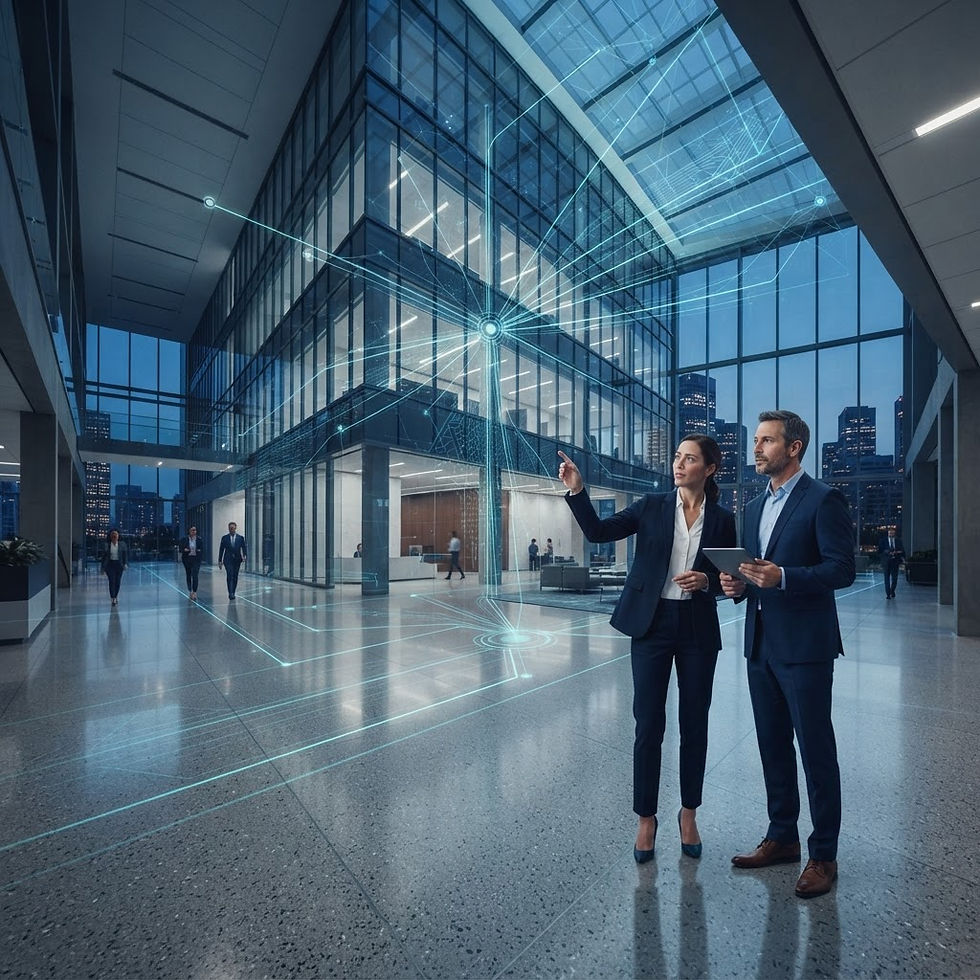
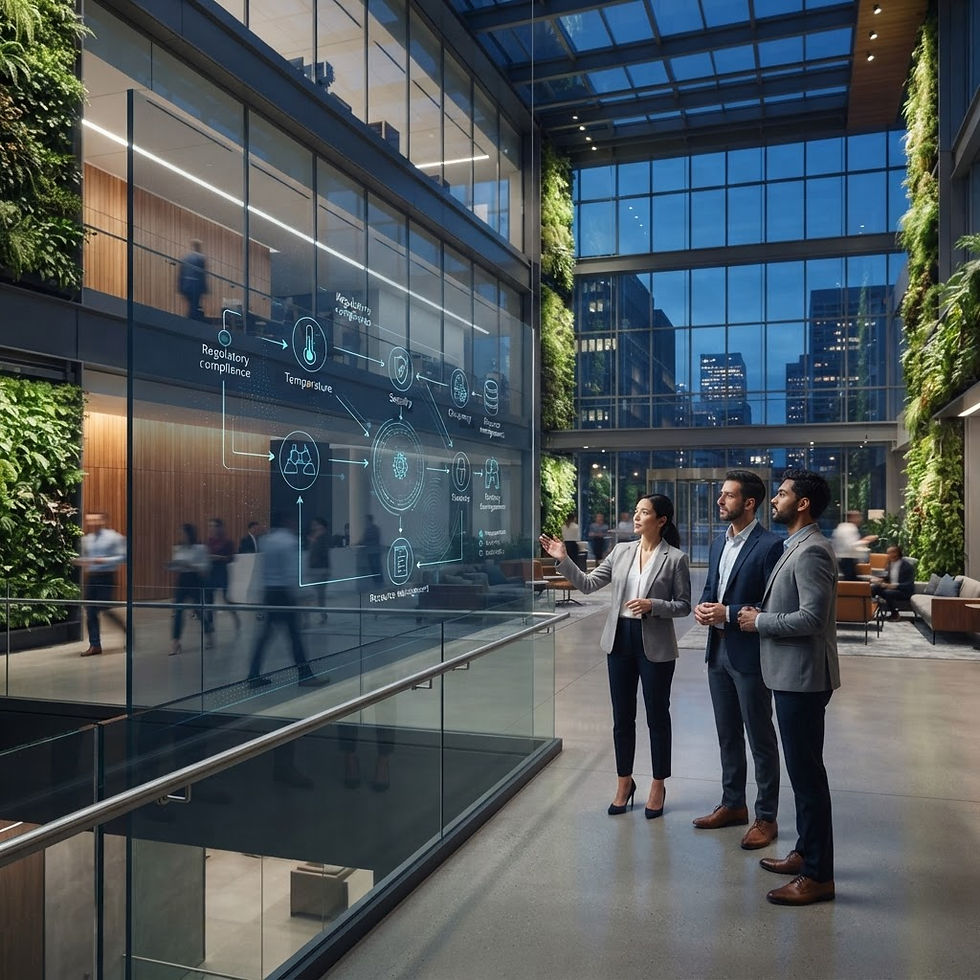
2. Smart Building Management: A commercial building adopted AI-driven facility management solutions to automate routine workflows and predict equipment issues. This integration improved operational resilience, facilitated precise capital planning, and bolstered sustainability efforts through continuous optimization of building performance.
Current Trends in AI Adoption for Facility Management
AI Adoption Acceleration: There is a burgeoning interest in AI integration within facility management, tracking towards substantial growth. However, a significant proportion of facilities teams have yet to fully implement AI in their processes, indicating a gap between aspiration and effective execution.
Focused AI Applications: Organizations that successfully implement AI often apply it to specific workflows with good data quality, such as maintenance tickets and scheduling data. By proving value in these areas, companies can justify broader AI applications in their operations.
Unified Operational Platforms: There is a clear trend towards integrated platforms that enhance both data quality and operational efficiency. Moving away from fragmented systems to unified solutions allows better decision-making and workflow optimization in facility management.
Conclusion
The integration of AI into building lifecycle management reveals substantial opportunities for improving operational efficiency and fostering sustainability within the commercial real estate sector. Through diverse case studies, it is evident that AI technologies can transform traditional facility management practices into more efficient, environmentally friendly operations. Organizations must prioritize structured data management, focused AI implementations, and the adoption of integrated operational platforms to fully capitalize on the advantages AI offers in optimizing building lifecycle management.

Comments