
Data-Driven Decision Making in Sustainable Facility Management: Leveraging the GATE Framework
- James W.
- 13 hours ago
- 2 min read
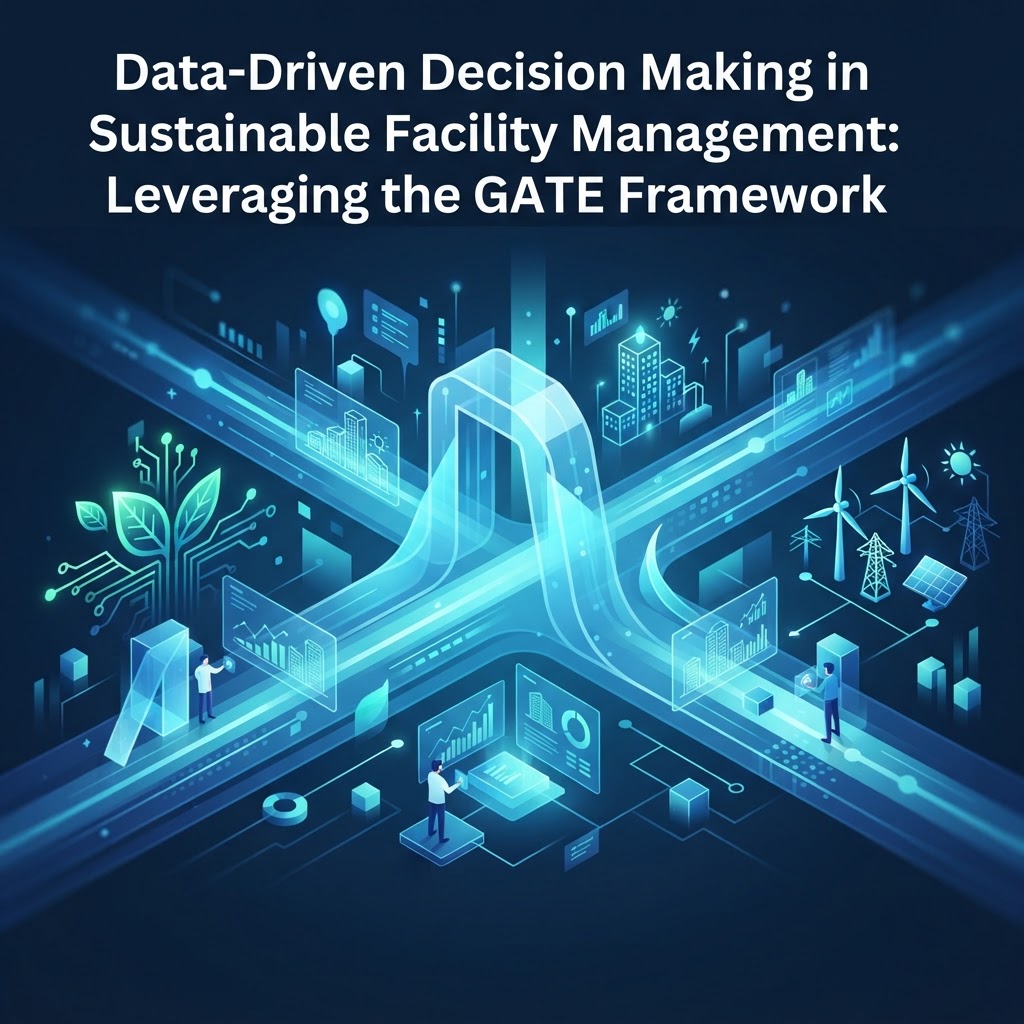
Understanding the GATE Framework
The GATE framework—Goals, Actions, Tracking, and Evaluation—serves as a structured approach for facility managers, especially in the realm of sustainability. Managing a facility with sustainability in mind entails using resources wisely to achieve lower operational costs and enhanced building performance. A commitment to sustainability is essential, particularly given that buildings contribute approximately 37% of global carbon emissions.
Goals: Setting Clear Objectives
The first phase of the GATE framework focuses on setting clear and actionable goals. Facility managers should define specific sustainability objectives, which might include:
Reducing energy consumption by 20% over five years
Lowering waste production by implementing effective recycling programs
Improving air quality through better ventilation systems
Setting clear goals allows for a focused decision-making process, ensuring alignment with the organization’s overall sustainability mission.
Actions: Implementing Sustainable Practices
Once clear goals are established, facility managers need to identify and implement practices that support those goals. Illustrative facility-management scenarios include actions such as:
Installing energy-efficient lighting systems to reduce power consumption.
Integrating renewable energy sources like solar panels to minimize reliance on fossil fuels.
Initiating comprehensive recycling and composting programs to reduce landfill waste.
These actions not only contribute to immediate sustainability targets but also lay the groundwork for long-term operational efficiency. Empowering teams to adopt these practices creates a culture of sustainability within the organization, making everyone an active participant in achieving set goals.
Tracking: Monitoring Progress
Tracking is an essential element to ensure that sustainability initiatives are effective and progressing towards set objectives. Facility managers should regularly monitor their results using:
Smart meters to track energy usage.
Data gathered from Building Management Systems (BMS) for real-time operational insights.
Using platforms like Microsoft Azure AI, integrated by Cognitive Corp, greatly enhances the ability to analyze this data effectively. Through advanced analytics, managers can identify trends such as increased energy consumption during peak periods, facilitating timely adjustments to operational strategies.
Evaluation: Assessing Results
Finally, evaluation encompasses a consistent review process of sustainability efforts. Facility managers should compare their actual results against their original goals. If a recycling initiative does not yield the expected waste reduction, an evaluation allows managers to revise their educational outreach or change the program structure.
Evaluation enables continuous improvement, ensuring that strategies evolve to meet changing demands and achieve established goals more efficiently.
Benefits of Data-Driven Decision Making
Data-driven decision-making holds numerous benefits for facility managers:
Informed Choices: Managers can make better choices based on real-time data, leading to more effective strategies.
Optimized Resource Management: Insights from data allow for identification of resource wastage, paving the way for targeted solutions.
Strengthened Planning Processes: Data integration into design and planning enhances long-term operational strategies for sustainability.
In commercial real estate, these data-centric decisions are pivotal for ensuring facilities not only meet compliance standards but also drive value creation and environmental responsibility.
Conclusion
In conclusion, harnessing the GATE framework offers facility managers a powerful tool for enhancing sustainability. By systematically setting goals, taking decisive actions, tracking progress, and evaluating outcomes, significant advancements can be achieved. The integration of Cognitive Corp's Microsoft Azure AI furthers this process by providing critical data analysis capabilities. Ultimately, fostering a commitment to sustainability not only benefits the environment but also drives operational success in the competitive landscape of commercial real estate.


Comments