
Enhancing Smart Building Automation with AI: A Path to Sustainability and Efficiency
- James W.
- Feb 2
- 3 min read
Introduction
With the increasing urbanization—projected to reach 68% by 2050—smart building automation has become essential for enhancing operational performance and occupant comfort. Cognitive Corp is at the forefront of this transformation, developing Cognitive Autonomous Agents designed to optimize building performance through artificial intelligence (AI).
Benefits of AI in Smart Buildings
Integrating AI into smart buildings offers numerous benefits, including:
Energy Efficiency: AI algorithms can optimize energy consumption, significantly reducing costs and carbon emissions. Buildings account for approximately 37% of global carbon emissions, making energy management critical in achieving sustainability goals.
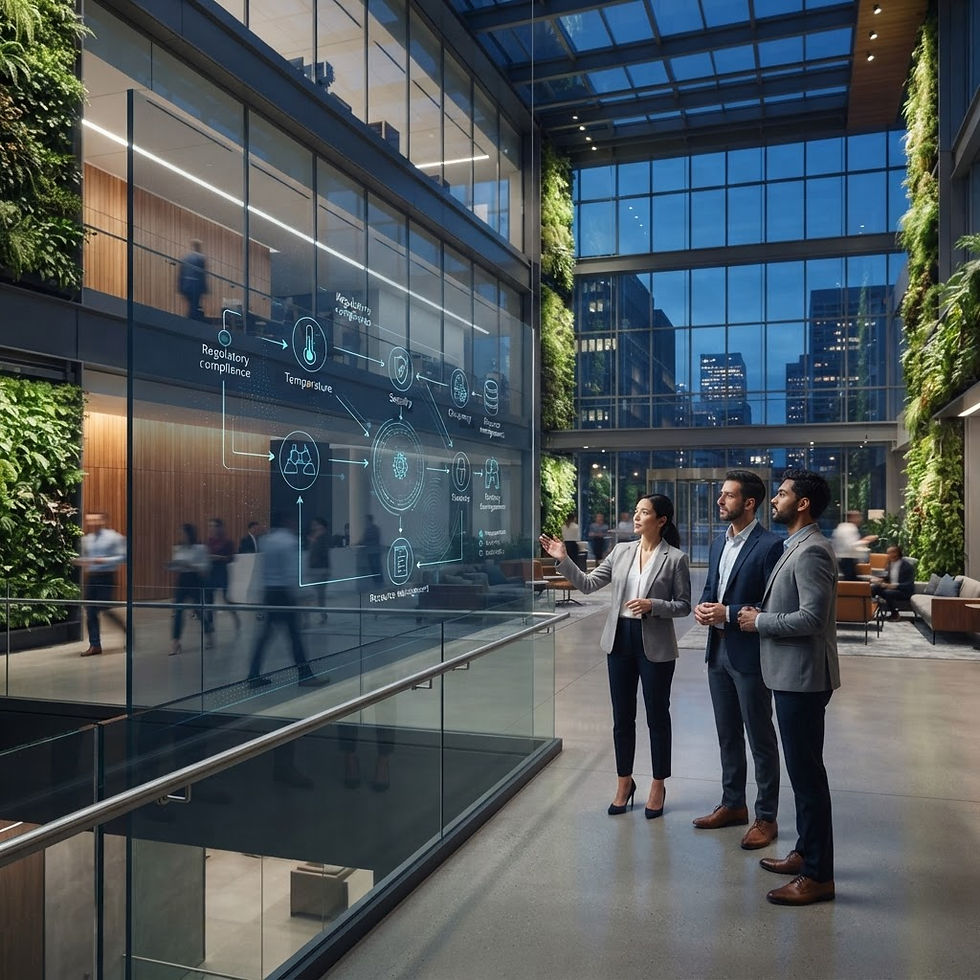
Occupant Comfort: Smart technologies enhance occupant comfort by adjusting lighting, heating, and ventilation based on real-time data. Technologies such as occupancy monitoring ensure that spaces are utilized efficiently without wasting resources.
Predictive Maintenance: AI enables proactive maintenance of building systems. By analyzing data from various sensors, Cognitive Corp's AI tools can predict when equipment is likely to fail, allowing for timely interventions that minimize downtime and repair costs.
Use Cases
Cognitive Corp implements several AI-driven applications to address common challenges in building management:
Energy Management Systems: Using Microsoft Azure AI, these systems analyze energy consumption patterns and provide actionable insights for reducing waste.
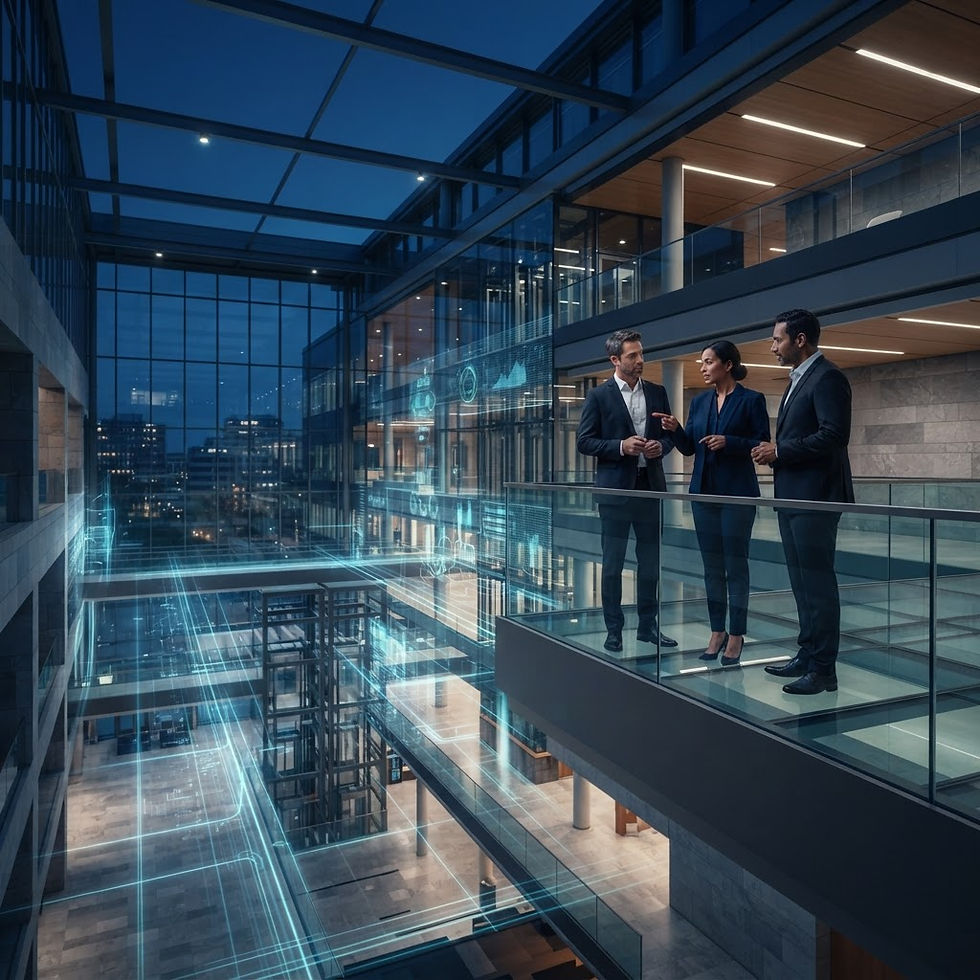
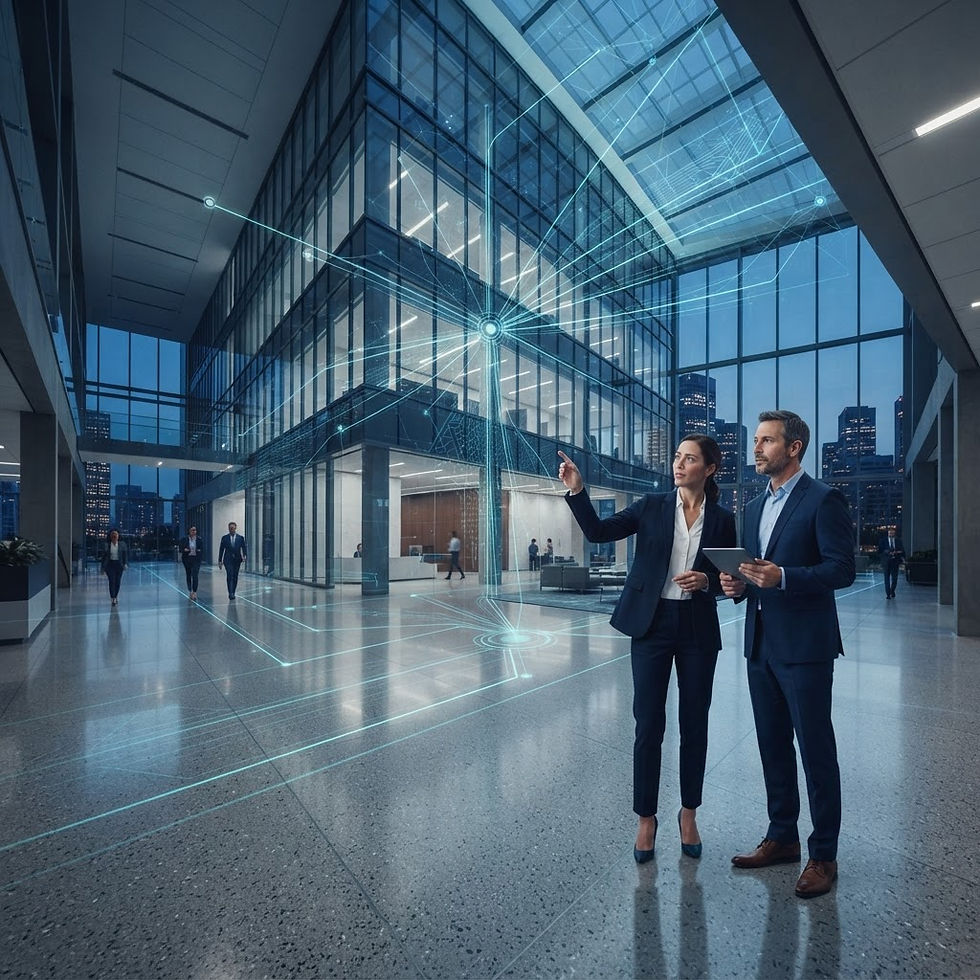
Digital Twins: Cognitive Corp employs digital twins to simulate building operations in real-time, facilitating better decision-making and resource allocation.
Predictive Analytics in Facility Management: By integrating AI-driven predictive models, facility managers can optimize maintenance schedules and resource distribution, resulting in enhanced operational efficiency.
Real-World Examples
1. Case Study: Renewable Energy Integration
Cognitive Corp partnered with a major commercial building to implement an AI-based energy management system that reduced energy costs by 25% through intelligent load balancing and integration of renewable energy sources.
2. Occupant Satisfaction Survey
Post-deployment surveys showed a 30% increase in tenant satisfaction due to improved climate control and responsiveness of building systems.
Challenges and Considerations
While the benefits are clear, the integration of AI in building automation faces challenges such as:
Data Security: Protecting sensitive building and occupant data is paramount, requiring robust cybersecurity measures.
Cost of Implementation: Initial investments in AI technology can be significant, although they often lead to long-term savings.
User Adoption: Staff and occupants may need training to effectively interact with new smart systems, indicating the need for comprehensive change management strategies.
Future Trends in AI for Building Automation
As the market evolves, we can expect:
Increased Use of Machine Learning: Enhanced algorithms will lead to more sophisticated building management systems capable of learning and adapting over time.
Sustainability Focus: As more companies aim for sustainability, AI tools that support decarbonization will gain prominence in smart building solutions.
Cross-Platform Integration: Future systems will likely integrate with other smart devices within urban environments, facilitating smarter urban infrastructure.
Conclusion
Cognitive Corp's innovative use of AI in smart building automation is reshaping facility management and paving the way for more sustainable urban living. By addressing energy management, enhancing occupant comfort, and streamlining maintenance, AI is proving to be a vital tool for modern building operators. Embracing these technologies not only fulfills corporate missions of governance and ROI but also aligns with global sustainability goals: a win-win for both businesses and the environment.
Keywords
Cognitive Corp, smart building automation, AI, sustainability, decarbonization, facility management, Microsoft Azure, digital twins, occupant comfort technologies, predictive maintenance, operational performance.
Comments