
Introduction to Smart Building Automation Technologies
- James W.
- Jun 21
- 3 min read
Smart building automation technologies have undergone significant advancements, becoming integral to the design and operation of modern buildings. These technologies encompass a range of systems and integrated solutions that enhance energy efficiency, optimize resource management, and improve occupant comfort. As building operators increasingly adopt these innovations, it is essential to understand their functionality and benefits.
Key Trends in Smart Building Automation (2026):
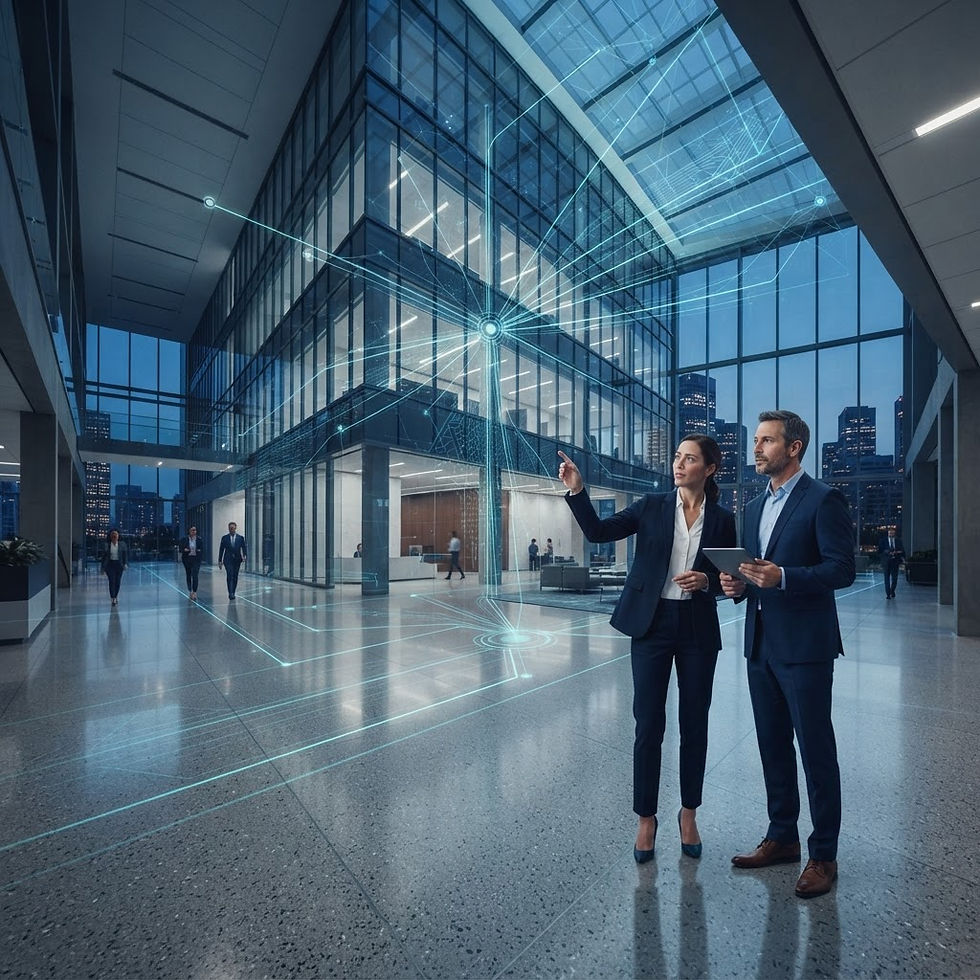
1. Intelligent Integrated Platforms: Building automation is evolving toward intelligent, integrated platforms that connect HVAC, lighting, security, and fire systems into a unified ecosystem. This integration not only enhances performance but also reduces operational complexity. These platforms are being designed with interoperability in mind, ensuring different system components can communicate effectively, thereby driving better decision-making processes.
2. Decarbonization and Energy Efficiency: With buildings contributing approximately 37% of global carbon emissions, automation systems play a pivotal role in decarbonization efforts. AI-enabled building automation systems provide real-time energy insights and predictive optimization, essential for meeting sustainability goals. By leveraging advanced data analytics, organizations can make informed choices that reduce energy consumption and minimize their carbon footprint.
3. Occupant Wellbeing: There is an increasing emphasis on occupant health and comfort within smart buildings. Automation systems support wellbeing through the real-time monitoring of lighting, temperature, and air quality. Such functionalities are especially critical in environments where occupant health is paramount, such as hospitals and data centers, ensuring a conducive atmosphere for productivity and safety.
4. Workforce Futureproofing: As an experienced workforce begins to retire, smart building automation systems assist in closing skill gaps by performing routine tasks, simplifying workflows, and enabling smaller teams to effectively manage complex facility environments. This capability not only enhances operational efficiency but also allows businesses to redirect their talent toward strategic initiatives.
5. Interoperability and Open Standards: The industry is witnessing a shift towards open standards and clean APIs, which are becoming basic requirements for building automation systems. This shift ensures seamless integration across diverse devices and platforms, thus enhancing system efficiency and scalability. Such interoperability allows for the harmonization of various technologies, driving cohesion in building management.
6. AI and Predictive Analytics: The incorporation of AI and predictive analytics into building automation systems facilitates predictive maintenance strategies that help in reducing downtime and lowering operational costs. Access to real-time data equips operators with the tools necessary to optimize energy consumption significantly, thereby decreasing waste and enhancing the lifespan of equipment.
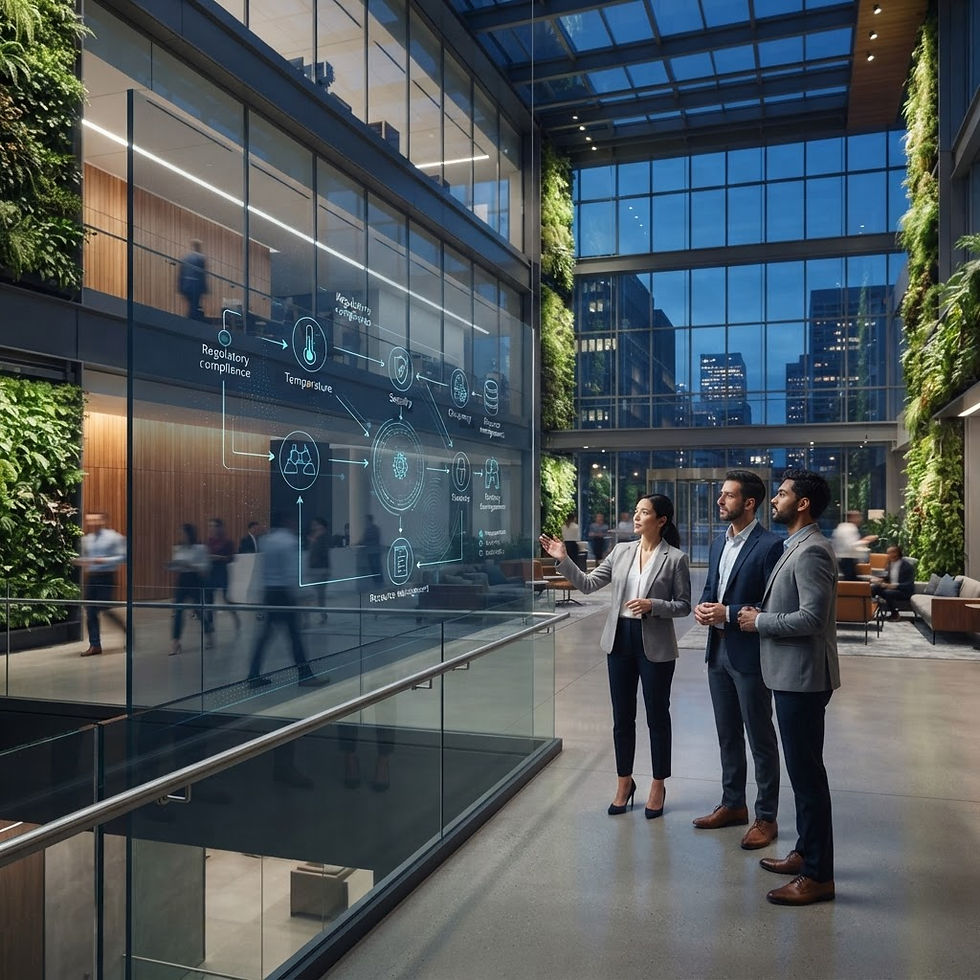
7. Cybersecurity and Risk Management: As buildings become increasingly interconnected, the lines between physical security and cybersecurity continue to converge. Risk management encompasses vendor access controls, network segmentation, and ongoing monitoring, moving beyond traditional security measures. A comprehensive approach is critical to safeguarding sensitive building infrastructure against emerging cyber threats.
8. Sustainability and Smart Materials: Sustainability is a key focus, with smart materials and efficient technologies being integrated into building designs to reduce environmental impact and operational costs. Effective sustainability measures not only align with regulatory compliance but also serve to enhance the overall performance of building systems.
By leveraging these advancements, facilities can achieve real-time monitoring, data analytics, and automated control across various building systems. This leads to enhanced operational efficiency, improved occupant satisfaction, and robust support for sustainability goals. Furthermore, employing frameworks like Cognitive Corp's AI-enabled solutions for building lifecycle management can help organizations orchestrate data, systems, and workforce into a cohesive intelligence engine, promoting governance and measurable ROI in commercial real estate operations.

Comments