
Achieving Building Interoperability Through the HMM Framework
- James W.
- 2 days ago
- 2 min read
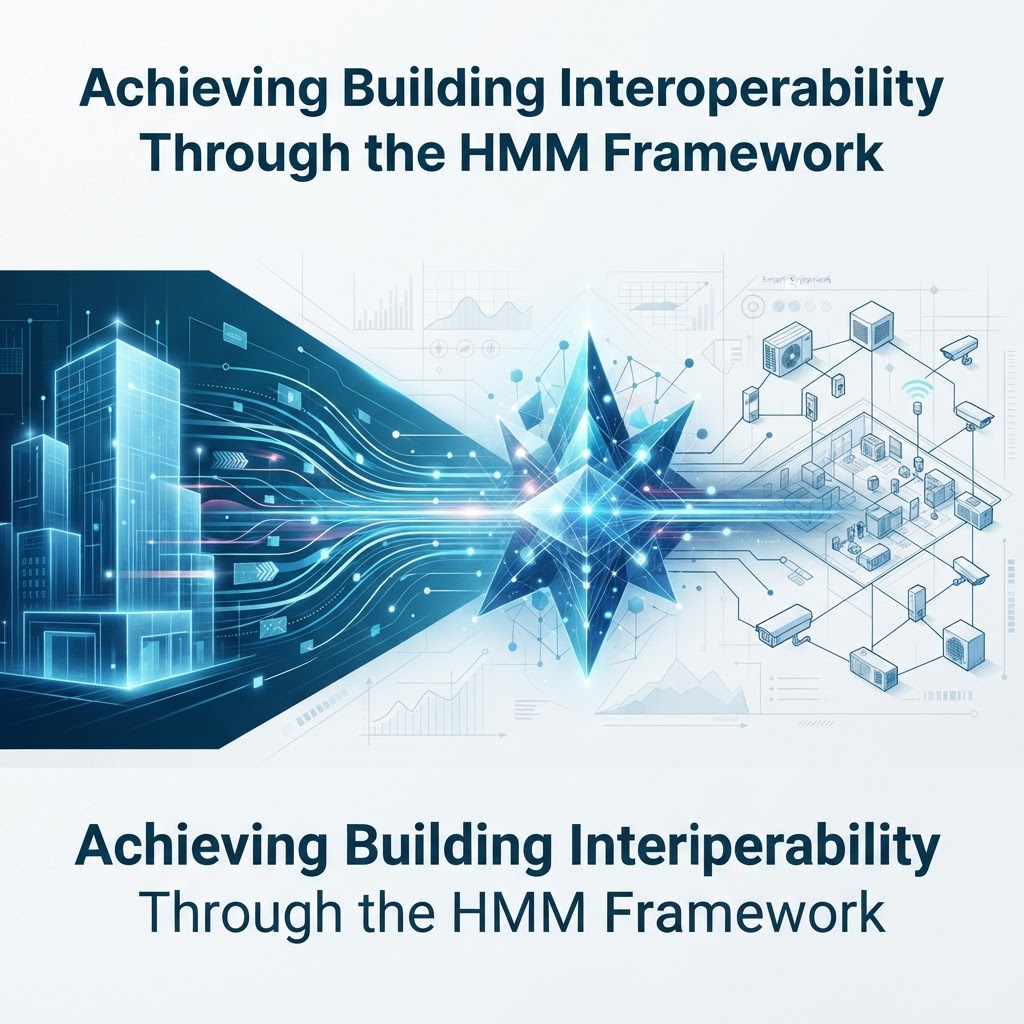
Bridging the Gap in Modern Building Systems
Commercial buildings are complex environments composed of diverse systems, including lighting, HVAC, and security. Historically, these systems functioned in isolation, unable to exchange data due to varying digital languages. This lack of interoperability represents a significant barrier to effective facility management. Without a unified data structure, building owners lack the visibility required to optimize asset performance or meet sustainability mandates. Buildings contribute approximately 37% of global carbon emissions, making the mastery of building lifecycle data a critical priority for owners and operators.
Cognitive Corp addresses this challenge through the HMM framework. By establishing a consistent standard for data communication, HMM serves as a vital bridge, turning raw information from disparate hardware and software into an understandable format. This foundation is essential for moving from reactive facility management to a state of strategic capacity, where building performance is continuously optimized through data-driven insights.
Establishing the Digital Thread
Interoperability must begin during the design phase. Cognitive Corp facilitates this by implementing a digital thread that tracks every building component throughout its lifecycle. This process is reinforced by the Taming the Data Chaos offering, which ensures that data remains consistent from initial construction through daily operations. When mechanical, electrical, and plumbing systems are mapped using the HMM framework, a ventilation unit’s status becomes immediately intelligible to the entire building intelligence engine, regardless of the manufacturer. This level of consistency is the hallmark of Cognitive Corp's operational philosophy: we do not follow trends, we define best practices.
Passive Versus Active Intelligence
Transitioning from passive to active intelligence is central to our mission. Passive intelligence systems synthesize data for human review, while active intelligence systems are authorized to execute decisions, such as adjusting HVAC setpoints or re-routing resources. An illustrative facility-management scenario highlights this difference: in a building without integrated controls, occupancy sensors and HVAC systems operate independently, often cooling empty spaces. With HMM-enabled active intelligence, Cognitive Autonomous Agents detect vacancy and adjust temperature settings in real time. This capability targets an energy saving of 10-15% within the first six months of deployment.
Service Delivery and Strategic Alignment
Cognitive Corp grounds all technical deployments in a structured service model. We begin with a Leadership Discovery Workshop and progress to AI Discovery and Strategic Alignment. This 6-week phase ensures that technology solutions are mapped directly to organizational goals. By leveraging Cognitive Autonomous Agents, we provide the tools necessary to unlock value trapped in building lifecycle data. Our approach relies on rigorous governance and the use of proprietary ROI frameworks to ensure that every investment in automation delivers measurable results.
Conclusion: Your Next Step
Building owners and facility leaders aiming to thrive in an era of rapid technological shifts should prioritize their digital foundation. We invite you to schedule an AI Strategy Session to assess your operational challenges and determine if our AI Enablement Blueprint is the right path for your organization. This 30-minute working session helps identify high-ROI automation opportunities and establishes the governance required to modernize your portfolio.


Comments