
Cognitive Autonomous Agents
- James W.
- 1 day ago
- 3 min read
Introduction
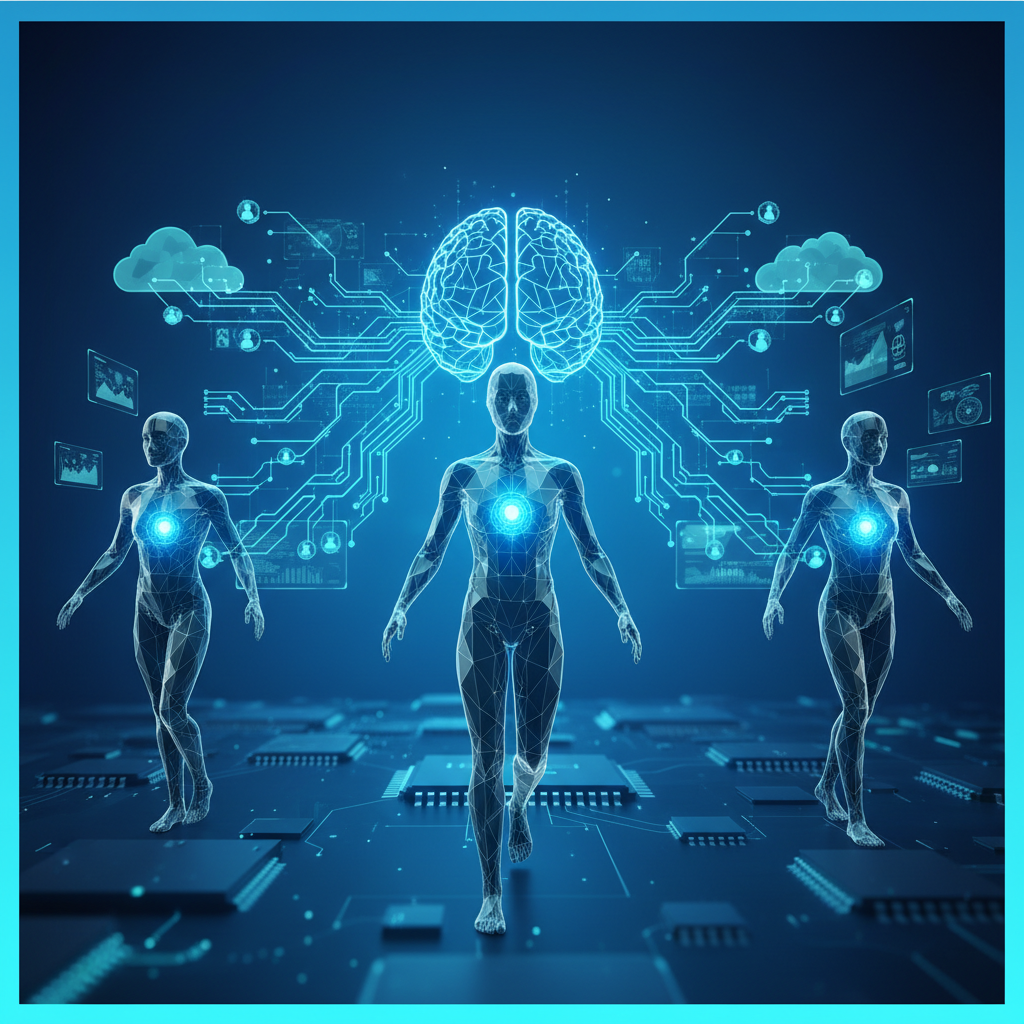
Cognitive Autonomous Agents (CAAs) represent a new step in automation for buildings. These AI (artificial intelligence) agents can optimize facility operations using machine learning. This technology helps to manage buildings in smarter and more efficient ways. By using data, CAAs can improve energy efficiency, comfort, and overall management systems in buildings.
What Are Cognitive Autonomous Agents?
Cognitive Autonomous Agents are AI systems that learn from data. They can make decisions without human help. These agents analyze information from various building systems. This includes heating, cooling, lighting, and security.
How They Work
CAAs use machine learning, a method where computers learn from data. They look for patterns in this data and make smart decisions based on what they find. For example, if a building often uses more energy in the morning, a CAA can adjust the heating or cooling to save energy.
Data Collection: Sensors collect data on temperature, light, and occupancy.
Analysis: The AI analyzes this data to find patterns.
Decision Making: The AI makes real-time adjustments to building systems.
Benefits of Using CAAs in Buildings
Cognitive Autonomous Agents provide many benefits for building operations. Here are some key advantages:
1. Increased Energy Efficiency
CAAs can significantly reduce energy costs. They adjust heating and cooling based on need. This ensures that energy is not wasted when rooms are empty.
2. Improved Comfort
These agents can enhance the comfort of occupants. They learn the preferences of people using the building. This means they can create a better environment by adjusting lighting and temperature to match these preferences.
3. Predictive Maintenance
CAAs can predict when machines will need repairs. By analyzing data from equipment, they can identify issues before they become serious. This reduces downtime and saves money on emergency repairs.
4. Reduced Operational Costs
By optimizing building management, CAAs lower operational costs. They use data to ensure systems run efficiently. This eliminates unnecessary expenses, helping facilities save money.
5. Enhanced Safety and Security
CAAs improve building safety. They monitor security systems and alert staff if something is wrong. For example, if a fire alarm goes off, the system can guide people to the nearest exit.
Real-World Applications
Cognitive Autonomous Agents are already in use in many buildings.
Smart Offices
In smart office buildings, CAAs manage lighting and temperature based on occupancy. They can turn off lights in empty rooms or adjust the ventilation when many people are present. This not only saves energy but also creates a more comfortable workplace.
Educational Institutions
Schools and universities use CAAs to manage HVAC (heating, ventilation, and air conditioning) systems. They monitor classroom occupancy and adjust temperatures to save energy while keeping students comfortable.
Hospitals
In hospitals, CAAs help maintain a stable environment. They monitor equipment and adjust energy use. This ensures patient rooms are at the right temperature without wasting energy.
Future Perspectives
The future of Cognitive Autonomous Agents looks bright. As AI technology improves, CAAs will get even smarter. They will be able to handle more complex tasks and make better decisions. Here are some trends to watch:
Integration with IoT Devices: CAAs will work more closely with Internet of Things (IoT) devices, increasing their ability to gather and analyze data.
Focus on Sustainability: More buildings will adopt CAAs to meet sustainability goals, reducing their carbon footprint.
Advanced Predictive Analytics: Future CAAs will have better models for predicting energy usage and maintenance needs, further improving efficiency.
Conclusion
Cognitive Autonomous Agents are changing the way we manage buildings. By using machine learning, they optimize energy use, enhance comfort, and reduce costs. As this technology advances, more buildings will benefit from the smart, efficient management that CAAs provide. This shift not only helps organizations but also contributes to a more sustainable future.


Comments