
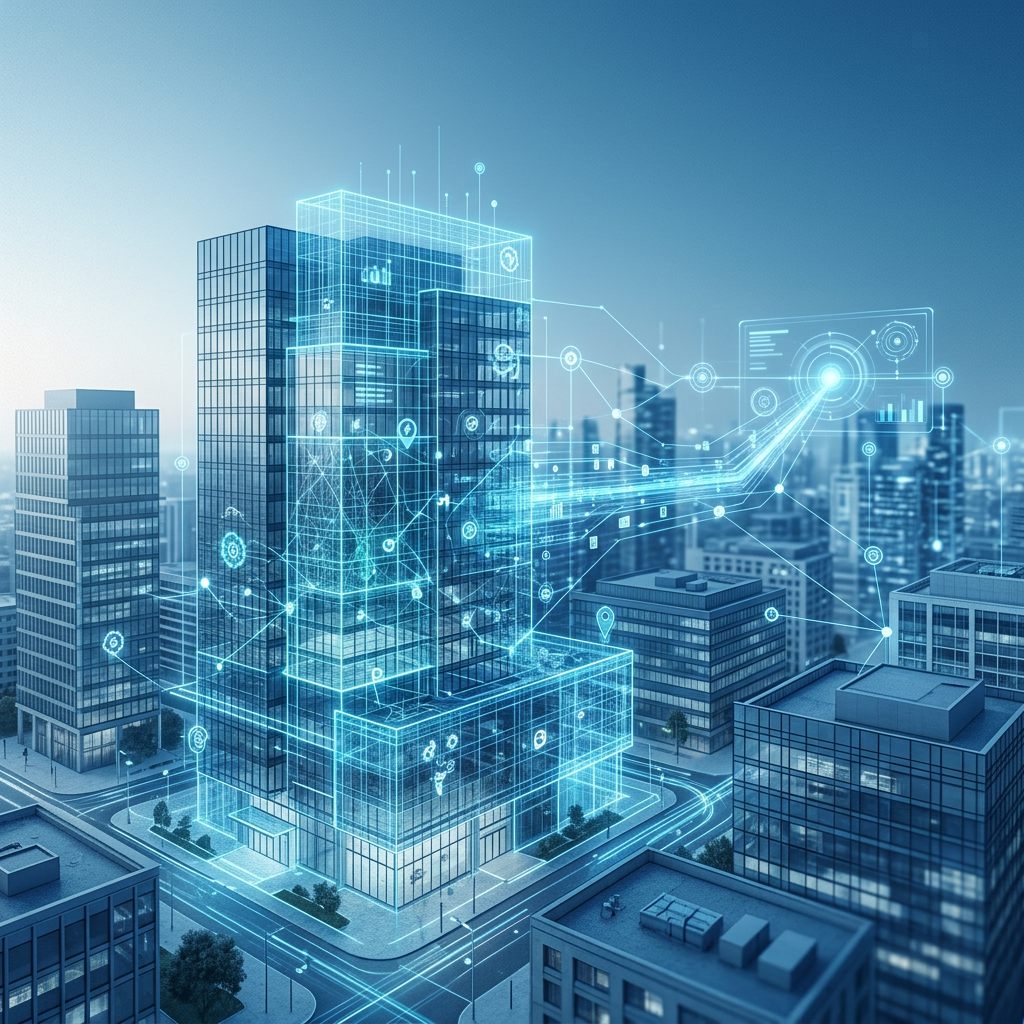
Digital Twin Technology: Transforming Commercial Real Estate Operations
Updated: May 21
Introduction to Digital Twin Technology
Digital twin technology refers to the creation of a digital replica of a physical asset, system, or process. In the context of commercial real estate, a digital twin is a virtual model of a building or facility that integrates real-time data from various sources, such as sensors, Building Information Modeling (BIM), and Internet of Things (IoT) devices. This integration enables facility managers and stakeholders to monitor, analyze, and optimize building performance throughout its lifecycle.
Applications in Commercial Real Estate
Digital twin technology has a wide range of applications in commercial real estate, including:
Predictive Maintenance: By continuously monitoring equipment performance, digital twins can predict potential failures before they occur, allowing for proactive maintenance scheduling. This approach reduces downtime and extends the lifespan of building systems. For instance, digital twins in commercial buildings have been shown to reduce HVAC system downtime by 40% by identifying inefficiencies early. (reference-global.com)
Energy Management: Digital twins can simulate energy consumption patterns, enabling facility managers to test different energy-saving strategies—such as adjusting lighting, optimizing HVAC schedules, or integrating renewable energy sources—before implementing them in the real world. Buildings using digital twins have achieved up to 30% energy savings through dynamic adjustments based on occupancy and weather conditions. (reference-global.com)
Space Optimization: By analyzing occupancy data, digital twins help in optimizing space utilization, ensuring that facilities meet the evolving needs of tenants and occupants.
Asset Management: Digital twins provide a comprehensive view of building assets, facilitating efficient management, maintenance, and replacement planning.
Benefits and Challenges
Benefits:
Operational Efficiency: Digital twins enable real-time monitoring and control of building systems, leading to improved operational efficiency and reduced operational costs.
Enhanced Decision-Making: With access to accurate and up-to-date information, facility managers can make informed decisions regarding maintenance, upgrades, and resource allocation.
Sustainability: By optimizing energy usage and reducing waste, digital twins contribute to sustainability goals and help in achieving green building certifications.
Challenges:
Data Integration: Integrating data from various sources, including legacy systems, can be complex and may require significant effort to ensure compatibility and accuracy.
Implementation Costs: Deploying digital twin technology involves substantial investment in hardware, software, and skilled personnel, which can be a barrier for some organizations.
Data Security: Managing and securing the vast amounts of data generated by digital twins is crucial to prevent unauthorized access and potential cyber threats.
Case Studies and Success Stories
Georgia Tech's Price Gilbert Building: A comprehensive framework for scalable digital twin deployment was implemented, integrating 3D laser scanning, BIM modeling, and IoT-enabled data visualization. This approach enabled centralized asset documentation, improved system visibility, and enhanced preventive and reactive maintenance workflows. (arxiv.org)
The GEAR in Singapore: A smart building facility integrated with a commercial metaverse platform, creating a digital twin environment that supports real-time, multi-user collaboration. This integration allows for new forms of collaboration that transcend spatial constraints, advancing the development of next-generation interactive environments. (arxiv.org)
Future Trends and Developments
The future of digital twin technology in commercial real estate is promising, with several trends emerging:
Integration with Artificial Intelligence (AI): Combining digital twins with AI will enable more advanced predictive analytics, leading to smarter decision-making and automation in facility management.
Enhanced Interoperability: As standards evolve, digital twins will become more interoperable, allowing for seamless integration across different platforms and systems.
Real-Time Collaboration: The integration of digital twins with metaverse platforms will facilitate real-time, multi-user collaboration, enabling stakeholders to interact with building data in immersive virtual environments.
Sustainability Focus: Digital twins will play a crucial role in achieving sustainability goals by optimizing resource usage, reducing emissions, and supporting green building initiatives.
Conclusion
Digital twin technology is revolutionizing commercial real estate operations by providing virtual replicas of physical assets. This innovation enhances predictive maintenance, operational efficiency, and sustainability efforts. While challenges exist, the benefits and future potential of digital twins make them a valuable tool for the commercial real estate industry.
For a deeper understanding of how digital twin technology is unlocking new value in commercial real estate, you might find the following video insightful:


Comments