
Harnessing Digital Twins for Enhanced Smart Building Operations
- James W.
- Jun 21
- 3 min read
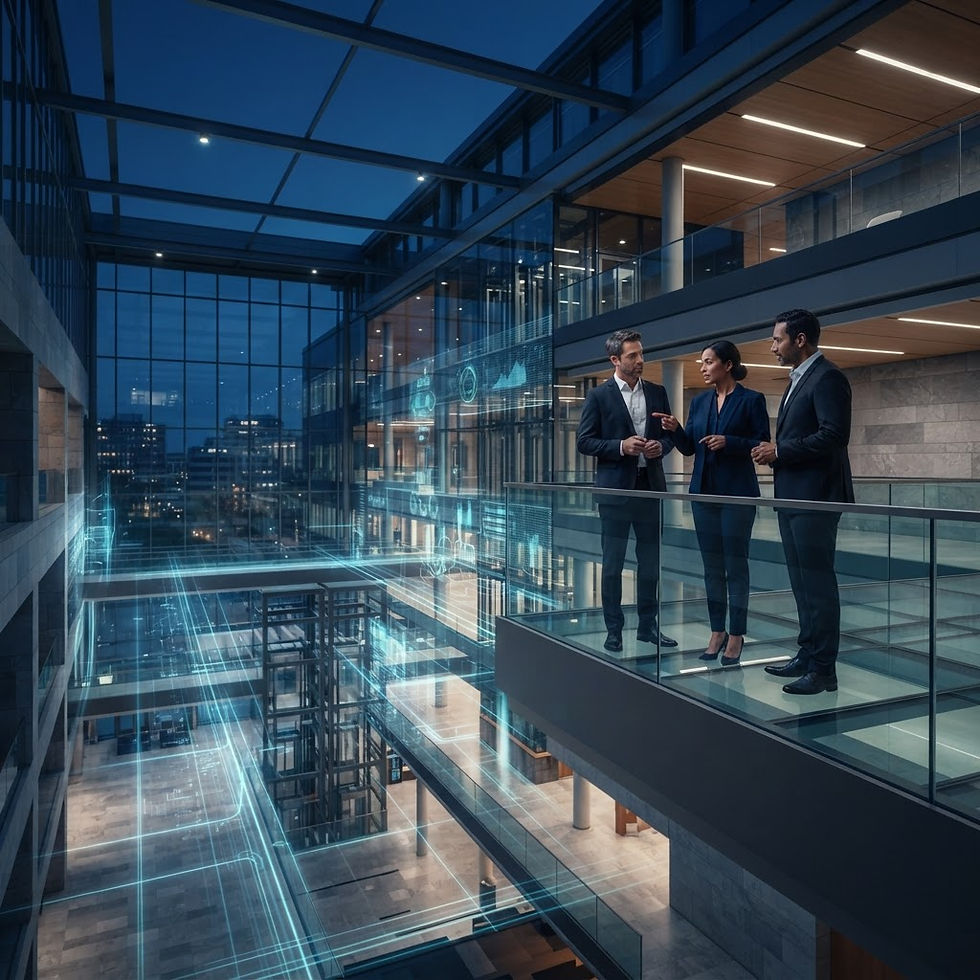
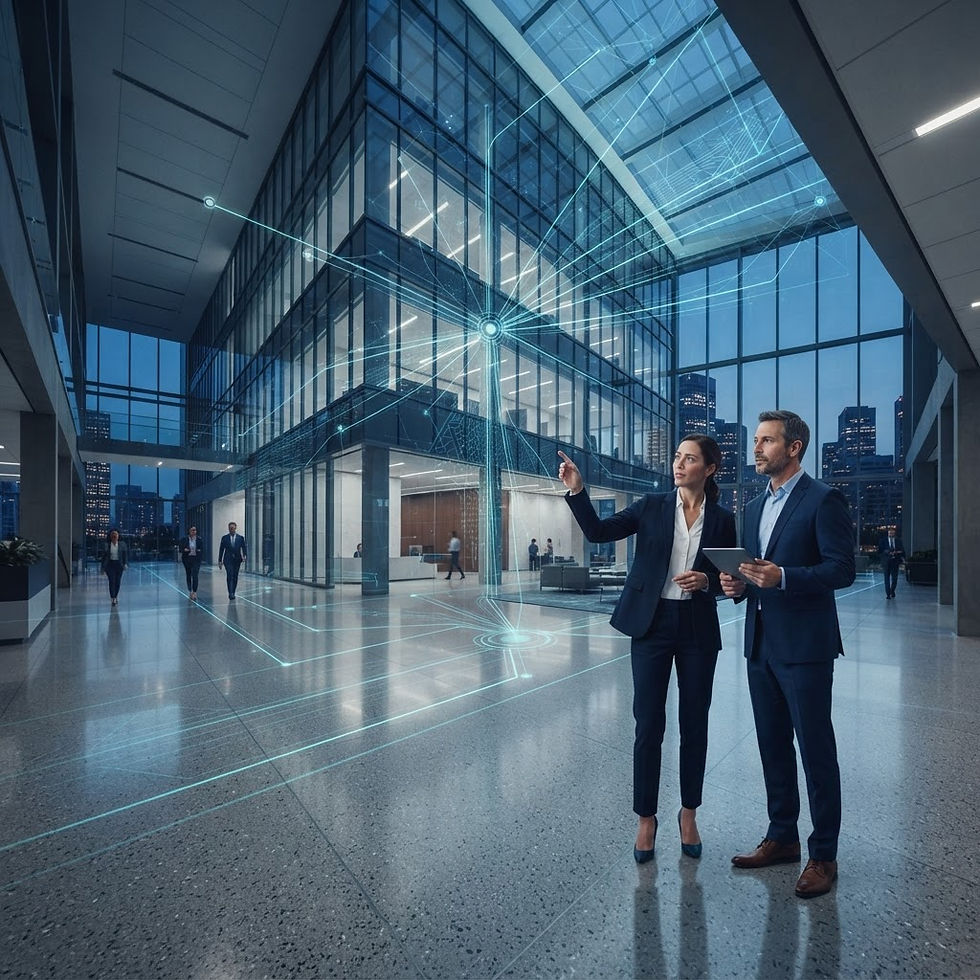
In the realm of facility management, digital twins are emerging as pivotal assets in the operation of smart buildings. These dynamic digital replicas mirror physical assets, systems, and processes, integrating real-time data from sources such as Building Information Modeling (BIM) and Internet of Things (IoT) sensors. This integration enhances operational efficiency and improves occupant comfort and safety while aligning with sustainability goals.
What Are Digital Twins?
A digital twin serves as a dynamic digital duplicate of a physical object or system. In smart buildings, it aggregates information from various sources—such as BIM, IoT sensors, and operational data—to create a comprehensive virtual model. This model enables real-time monitoring, analysis, and optimization of building performance, paving the way for smarter facility management solutions.
The Evolution of Digital Twins in Contemporary Facility Management
The role of digital twins has evolved from static visualization tools to active components in live infrastructure control. This shift is particularly evident in sectors such as healthcare and manufacturing, where real-time operational decision-making is critical. Digital twins are now integral in managing complex, interconnected environments that characterize modern smart buildings, aiding efforts in predictive maintenance, energy optimization, and safety enhancements.
Key Benefits of Digital Twins in Smart Buildings
Predictive Maintenance: Continuous monitoring of equipment performance for early fault detection allows for timely interventions, thereby reducing downtime and extending the lifespan of assets. Effective integration of digital twin technology can facilitate predictive maintenance programs that align with organizational objectives, minimizing reactive repairs.
Energy Optimization: The ability to analyze energy consumption patterns in real-time enables building managers to implement energy-efficient practices that reduce operational costs. By monitoring usage, digital twins assist in balancing indoor environmental quality with energy efficiency, addressing the ongoing challenge of resource optimization in building management.
Enhanced Occupant Comfort: Digital twins continuously adjust environmental parameters to ensure a comfortable indoor atmosphere. This enhancement in user experience directly contributes to higher occupant satisfaction and productivity, key metrics for successful building management.
Current Trends Supporting Digital Twin Integration
AI Integration: The deployment of artificial intelligence within digital twin frameworks enhances their predictive capabilities, fostering proactive decision-making and operational resilience. This integration ensures that building performance aligns with strategic sustainability goals, establishing a feedback loop for continuous improvement.
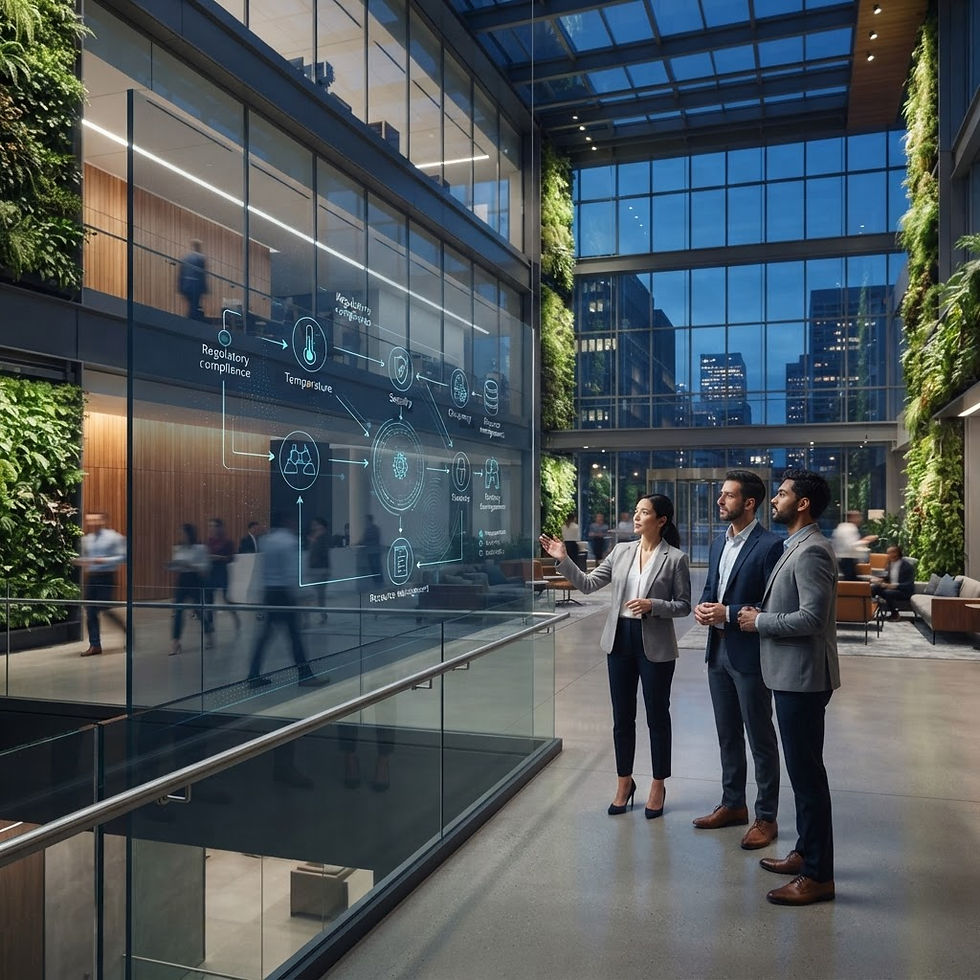
Sustainability Alignment: Digital twins are instrumental in facilitating sustainability efforts. They provide insights into resource usage and help integrate sustainability assessments within daily operations, driving compliance and support for green building initiatives.
Unified Platforms: The shift towards developing unified platforms that consolidate building systems into single dashboards reduces operational complexity and enhances management efficiency. These integrated systems offer a holistic view of building performance, simplifying the management of multiple subsystems.
Challenges and Considerations
Despite the numerous advantages, challenges such as data integration complexities and cybersecurity risks need addressing. These factors highlight the importance of establishing interoperable systems that ensure secure and efficient operation of digital twins in smart buildings.
Conclusion
Digital twins are at the forefront of transforming smart building operations. Their ability to integrate real-time data, coupled with advancements in AI and sustainability, positions them as critical tools in enhancing operational efficiency and occupant satisfaction. As technology continues to evolve, the role of digital twins in facility management will expand, paving the way for new opportunities in innovation and improvement. For organizations looking to enhance their building lifecycle management, adopting frameworks like Cognitive Corp’s GATE (Governance, Analytics, Technology, and Environment) can streamline the integration of digital twins into their overall strategy, ensuring both governance and measurable ROI.
To explore how digital twins and AI can transform your facility management practices, schedule your AI strategy session today!
Comments