
Understanding Cognitive Autonomous Agents in Today's Facility Management
- James W.
- Mar 30
- 4 min read
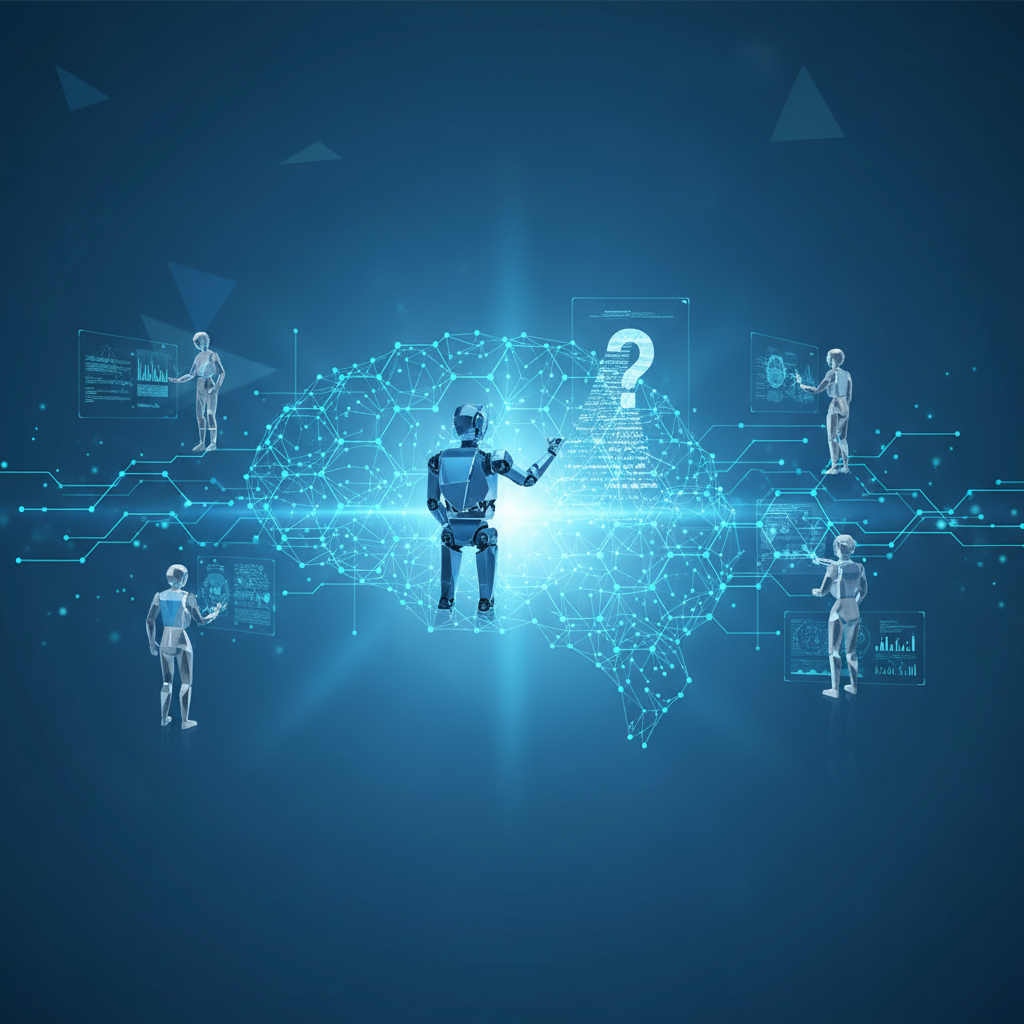
Understanding Cognitive Autonomous Agents in Today's Facility Management
Introduction to Cognitive Autonomous Agents
Cognitive Autonomous Agents (CAAs) are an emerging technological breakthrough in the realm of facility management, leveraging advancements in artificial intelligence (AI) to optimize building systems for enhanced operational efficiency and sustainability. As the global urban population is projected to rise to 68% by 2050, the necessity for effective management of these sophisticated systems has never been more pressing. CAAs utilize complex AI and machine learning algorithms to not only enhance operational efficiency but also support comprehensive sustainability initiatives within the commercial real estate sector.
Defining Cognitive Autonomous Agents
Cognitive Autonomous Agents represent a sophisticated class of AI technologies that autonomously control and optimize various building systems. By harnessing advanced data analytics and machine learning algorithms, CAAs continuously learn from their operational environment. This capability allows them to assess and dynamically improve the performance of essential building systems such as HVAC, lighting, and security through real-time data analysis, resulting in significant energy savings and improved tenant satisfaction.
Key Functions of Cognitive Autonomous Agents
1. Data Collection and Analysis:
CAAs collect and analyze vast amounts of data from facility management systems, focusing on critical metrics such as energy consumption, occupancy levels, and equipment performance, ensuring a holistic understanding of building operations.
2. Predictive Analytics:
With built-in predictive analytics capabilities, CAAs can foresee maintenance needs and operational inefficiencies, identifying potential spikes in energy usage and enabling proactive responses that mitigate issues before they arise.
3. Decision-Making Autonomy:
By autonomously adjusting environmental settings (e.g., temperature, lighting), these agents optimize energy use and tenant comfort without requiring human oversight, thereby improving overall operational efficiency.
Applications of Cognitive Autonomous Agents in Facility Management
Cognitive Corp, a leading provider of AI solutions, highlights several transformative applications for CAAs:
Energy Optimization:
CAAs synthesize and analyze occupancy data to tailor energy consumption effectively, leading to substantial cost savings and decreased carbon emissions. An example of this is the implementation at an urban office complex where CAAs reduced energy usage by 30% in a year by optimizing HVAC operations based on real-time occupancy data.
Predictive Maintenance:
By forecasting equipment failures, CAAs facilitate timely maintenance, thereby preventing costly repairs and minimizing unscheduled downtimes. For instance, a university campus utilized CAAs to predict maintenance on HVAC systems, reducing maintenance costs by 25%.
Tenant Experience Enhancement:
CAAs can streamline responses to tenant preferences, such as automatically adjusting climate settings based on individual comfort levels, significantly enhancing tenant satisfaction as evidenced by a property management company that integrated CAAs and reported a 15% improvement in tenant feedback scores.
Integration of Cognitive Autonomous Agents with Existing Systems
Cognitive Autonomous Agents are designed to integrate seamlessly with contemporary building management platforms, notably those powered by Microsoft Azure AI. This integration enables:
Enhanced Communication:
CAAs maintain effective communication channels with other building systems, ensuring cohesive operations across diverse functionalities, which is vital for optimizing overall building performance.
Support for Sustainability Initiatives:
By optimizing resource usage and reducing waste, CAAs contribute to decarbonization strategies that address the estimated 37% of global carbon emissions attributed to buildings, making them a pivotal part in achieving net-zero targets.
Utilization of Digital Twin Technology:
By connecting to digital twin platforms, CAAs allow for enhanced real-time simulations and operational analysis, fostering informed, data-driven decision-making that enhances the effectiveness of management strategies.
Benefits of Implementing Cognitive Autonomous Agents
1. Increased Operational Efficiency:
The automation of building management tasks streamlines operations and enhances overall performance, resulting in reduced operational costs and improved service delivery.
2. Reduction in Labor Costs:
With reduced need for human oversight, organizations can reallocate resources more efficiently, allowing skilled personnel to focus on strategic initiatives rather than routine tasks.
3. Sustainability Gains:
CAAs empower organizations to achieve sustainability milestones, meet regulatory standards, and adapt to evolving environmental regulations, which is increasingly important in urbanized areas.
Challenges and Considerations
While Cognitive Autonomous Agents offer significant advantages, organizations must navigate certain challenges:
Data Privacy:
Protecting the privacy and security of collected data is essential, especially in light of increasing concerns around data breaches and regulatory compliance.
Dependency on Technology:
Organizations must guard against becoming overly reliant on autonomous systems, which may lead to skill degradation among human operators, necessitating ongoing training and development.
Conclusion
According to Cognitive Corp, the adoption of Cognitive Autonomous Agents is vital for enhancing operational efficiency in facility management and the commercial real estate sectors. By skillfully managing and optimizing urban infrastructure, CAAs not only drive better resource management but also contribute towards urgent global sustainability objectives. Organizations keen to adopt and maximize the potential of these advanced AI solutions will find themselves better positioned to tackle the complexities of urban management while significantly reducing their environmental footprint.
---
Keywords: Cognitive Autonomous Agents, AI technology, facility management, commercial real estate, digital twin technology, sustainability measures, decarbonization strategies, Microsoft Azure integration, energy optimization, predictive maintenance, tenant experience enhancement, urban management, machine learning algorithms.
Comments