
Structuring AI Risk Management in Commercial Real Estate: A Guide to the AGRF Framework
- James W.
- 3 days ago
- 3 min read
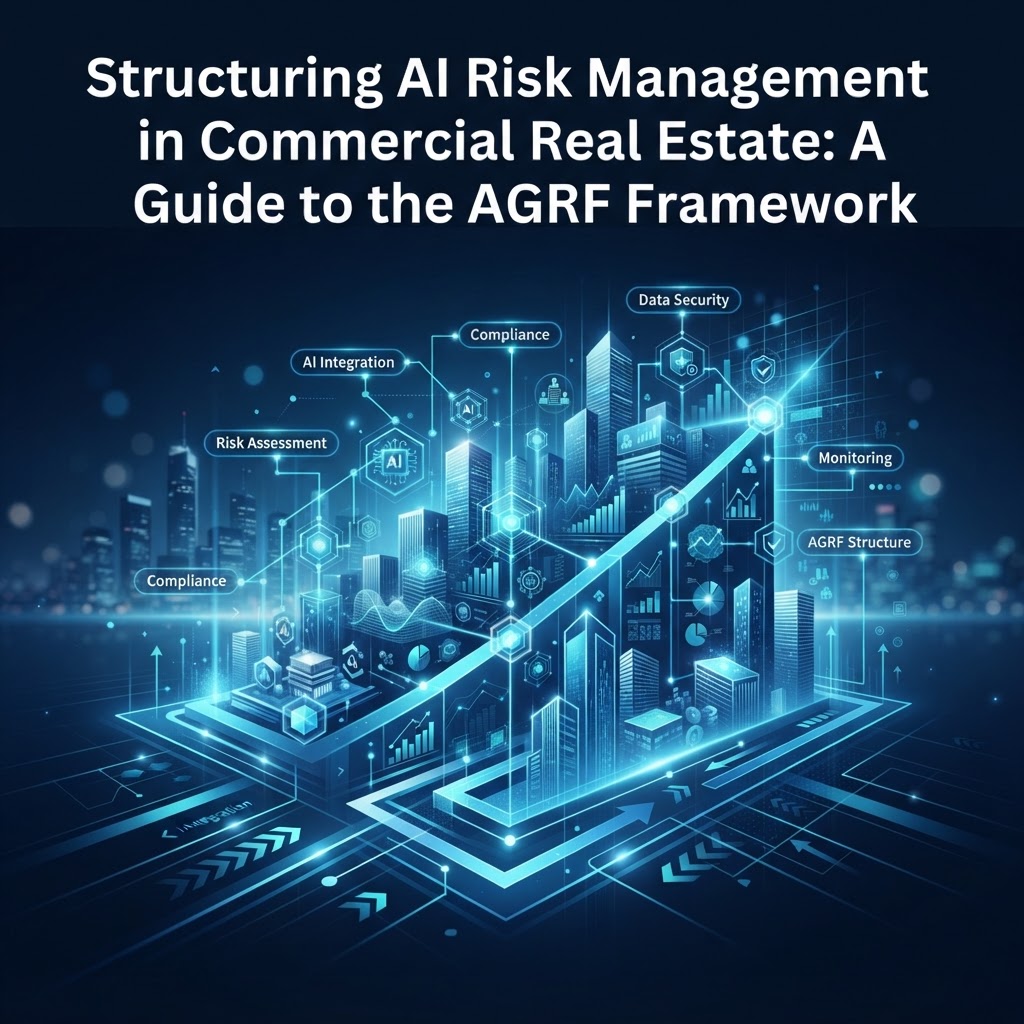
Introduction to AI Risk in Commercial Real Estate
Artificial intelligence brings great value to commercial real estate. It helps manage buildings, save energy, and improve decision-making. However, AI also creates new risks. If an AI system makes a bad choice, it can cause safety problems or high costs. The AI revolution is a business model transformation. To succeed, real estate owners need safe and clear rules.
Cognitive Corp uses Microsoft Azure AI to improve facility management. To keep these systems safe, Cognitive Corp relies on the AGRF framework. AGRF is a structured method to manage risks when using AI in the built environment. It ensures AI enablement is intelligently delivered.
What is the AGRF Framework?
The AGRF framework is a governance tool for AI risk management. Governance means the rules and processes that keep a system safe and fair. AGRF helps building owners control their AI tools. It works well with other Cognitive Corp frameworks like the Building Constitution.
The Building Constitution sets the basic rules for how a building operates. AGRF adds a layer of risk checks. This makes sure AI agents do not break these rules. Together, they create a safe operating pattern for smart buildings.
Core Elements of the AGRF Framework
AI Governance and Alignment
The first step is AI governance. You must align AI tools with business goals. An illustrative facility-management scenario is an AI tool that controls HVAC systems. The AI must follow the building's energy-saving goals. It must not act outside its approved area.
Cognitive Autonomous Agents need clear boundaries. They can act on their own to optimize building performance. AGRF checks that these agents follow the right instructions. This limits the chance of harmful actions.
Data and Model Reliability
AI needs good data to work well. Poor data causes bad choices. AGRF sets rules for data quality and security. It uses strict standards like AES-256 encryption. This protects sensitive building data.
Model reliability means the AI works the same way every time. AGRF requires regular testing of AI models. This testing finds errors before they reach the live system. It builds trust in the AI tools.
Operational Safety in Smart Buildings
Smart buildings use AI to control physical systems. This includes HVAC, lighting, and security. Safety is very important here. The AGRF framework includes rules for human override. Human workers can stop the AI if they see a problem.
This approach respects the fact that 72% of facilities staff prefer human override for critical decisions. The framework blends active intelligence with human oversight. Active intelligence refers to systems authorized to execute decisions, such as re-routing supply chains, actuating HVAC controls, or generating physical site layouts. Human oversight ensures safety remains the top priority.
Compliance and Decarbonization
Commercial real estate faces strict rules for carbon emissions. Buildings contribute approximately 37% of global carbon emissions. Owners must lower these emissions. AI helps reach sustainability goals.
The AGRF framework tracks compliance with environmental laws. It checks that AI tools help with decarbonization. Decarbonization means reducing carbon dioxide output. The framework guides AI to cut energy waste without losing comfort.
Building a Safe AI Future
The AGRF framework is an essential guide for AI in commercial real estate. It balances innovation with safety. By using this framework, building owners can avoid common AI failures. It ensures AI brings real value without creating new threats.
Cognitive Corp builds this risk management into every solution. This approach supports sustainable and safe building operations. We deliver Strategic Capacity. To see how this works for your buildings, schedule your AI strategy session today.


Comments