
The Invisible Decision
- James W.
- May 5
- 2 min read

LinkedIn Post #46
"The Invisible Decision"
Date: February 17, 2026 | Cycle 46 | Sprint 11
THE INVISIBLE DECISION
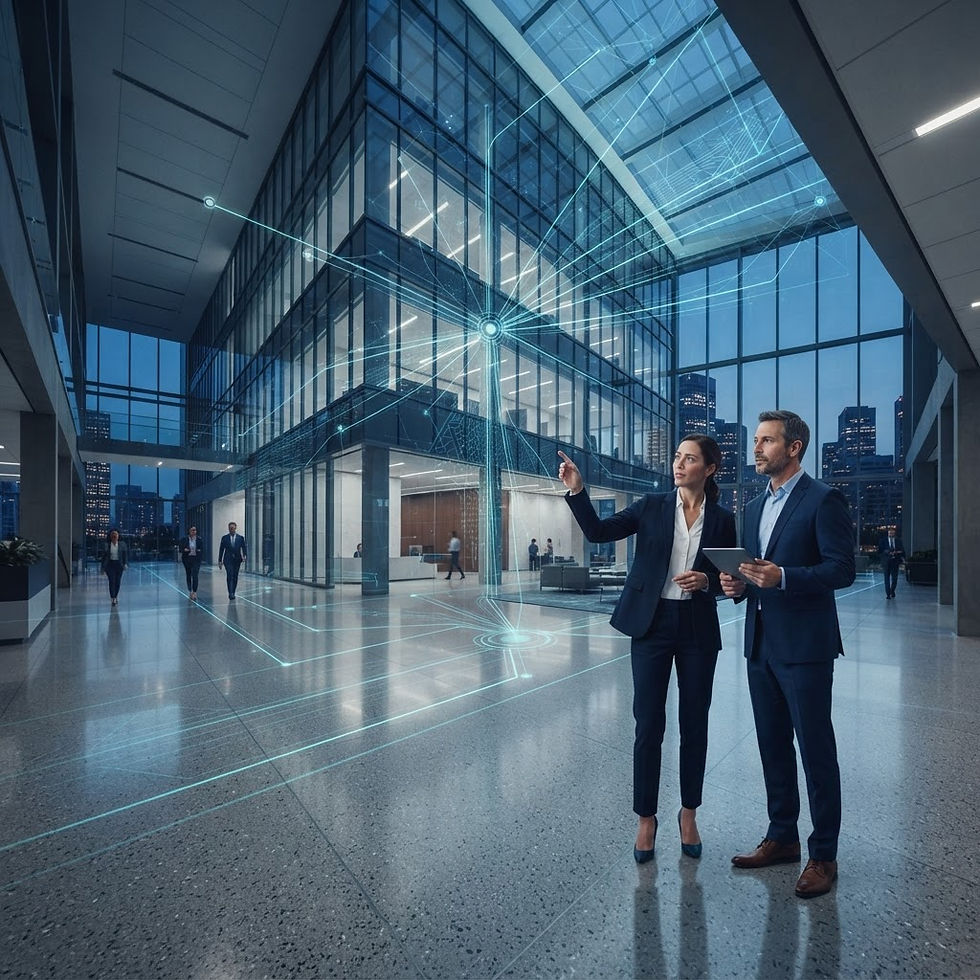
Your building made 10,000 decisions today.
How many can you explain?
In a manufacturing plant, the HVAC system adjusted paint shop humidity fourteen times between midnight and 6 AM. Each adjustment affected coating adhesion on every vehicle in production. No human reviewed those decisions. No log recorded why each adjustment was made. No governance framework defined the boundaries of what the system could change autonomously.
In a retail store, the refrigeration system made a temperature optimization decision that shifted pharmacy cold storage by 0.8 degrees. For 90 minutes, medication storage was technically outside CDC guidelines. The system corrected itself. No incident was logged. No one was notified.
In a network operations center, the cooling system redirected airflow to manage a hotspot in one server row. Equipment in the adjacent row ran 4 degrees warmer for six hours. Mean time between failure for that equipment shortened. No one connected the cooling decision to the hardware degradation three months later.
These are invisible decisions. Not invisible because they are hidden. Invisible because no one designed the system to make them visible.
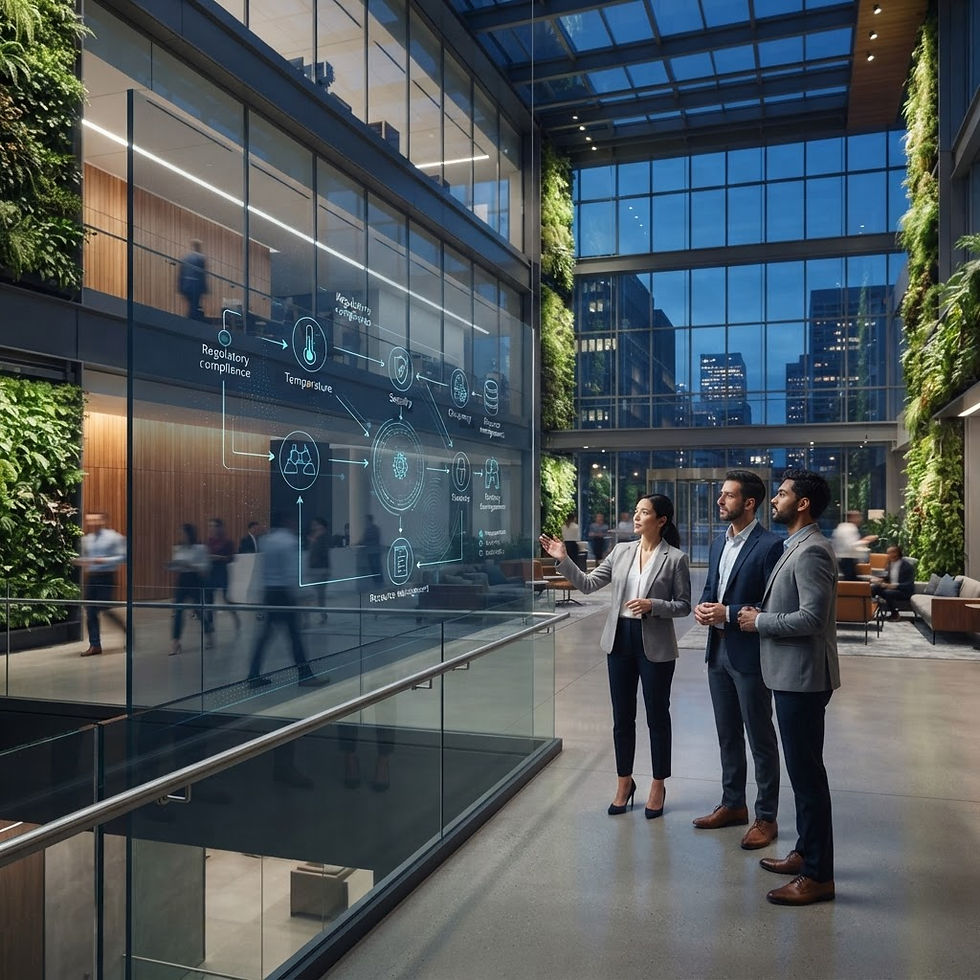
Building AI does not announce its choices. It does not explain its reasoning. It does not flag when it has made a tradeoff between competing priorities — energy cost versus product quality, equipment protection versus thermal comfort, regulatory compliance versus operational efficiency.
The problem is not that these decisions are bad. Most of the time, they are fine. The problem is that without governance, you cannot tell the difference between the ones that are fine and the ones that are not. Until something fails.
Governance does not slow building AI down. It makes invisible decisions visible. It creates the audit trail that turns a mysterious failure into an explainable event. It defines the boundaries that prevent a 0.8-degree drift from becoming a regulatory incident.
The question is not whether your building AI is making invisible decisions. It is. The question is whether you will know which ones mattered — before or after they become a problem.
#AIGovernance #BuildingAI #SmartBuildings #FacilityManagement #Manufacturing #Retail #CriticalInfrastructure
SALES ACTIVATION NOTE
Pair this post with outreach to:
• Manufacturing operators (Ford, TSMC, Samsung) — paint shop/clean room invisible decisions directly affect product quality
• Retail/pharmacy portfolios (Walmart 10,797 stores, Target) — refrigeration invisible decisions affect food safety and medication storage
• Telecom/infrastructure (Verizon, AT&T) — cooling invisible decisions degrade network equipment reliability
• Healthcare systems (Mayo Clinic, Kaiser, CommonSpirit) — environmental invisible decisions affect patient safety
• Data center operators (CoreWeave, Equinix) — cooling tradeoff decisions affect compute workload integrity

Comments