
Improving Equipment Lifespan with Smart Solutions
- James W.
- Aug 17, 2025
- 3 min read
In today’s fast-paced industrial and manufacturing environments, equipment downtime can lead to significant losses. Extending the lifespan of machinery is not just about saving money on replacements but also about maintaining productivity and safety. Smart solutions have emerged as a game-changer in this area, offering innovative ways to monitor, maintain, and optimize equipment performance. This article explores how these technologies can improve equipment lifespan, reduce costs, and enhance operational efficiency.
How Smart Solutions Transform Equipment Maintenance
Smart solutions integrate advanced technologies such as sensors, data analytics, and automation to provide real-time insights into equipment health. These systems continuously monitor machinery, detecting early signs of wear and tear before they escalate into major failures. By leveraging these insights, businesses can schedule maintenance activities more effectively, avoiding unnecessary downtime and costly repairs.
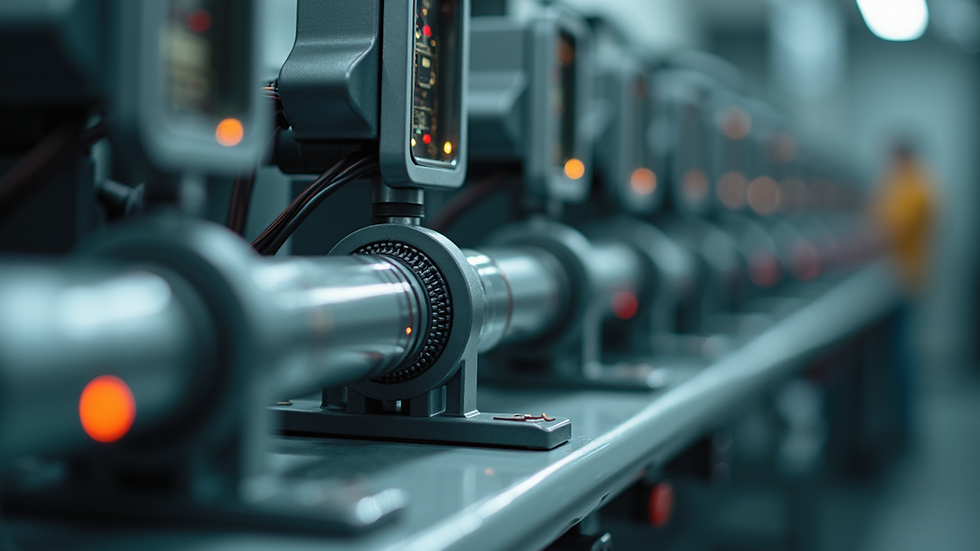
For example, vibration sensors installed on rotating equipment can detect imbalances or misalignments early. Temperature sensors can monitor overheating in motors or bearings. These data points are then analyzed to predict potential failures, allowing maintenance teams to intervene proactively.
Benefits of smart solutions include:
Reduced unplanned downtime: Early detection prevents sudden breakdowns.
Optimized maintenance schedules: Maintenance is performed only when necessary.
Extended equipment lifespan: Timely repairs reduce wear and tear.
Cost savings: Lower repair costs and fewer replacements.
Improved safety: Preventing catastrophic failures protects workers.
Implementing Smart Solutions in Your Facility
Adopting smart solutions requires a strategic approach. Start by identifying critical equipment whose failure would cause significant disruption. Next, select appropriate sensors and monitoring devices tailored to the specific machinery and operating conditions.
Integration with existing systems is crucial. Many smart solutions can connect to enterprise resource planning (ERP) or computerized maintenance management systems (CMMS), enabling seamless data flow and better decision-making.
Training maintenance staff to interpret data and respond effectively is equally important. The human element ensures that insights from smart solutions translate into timely and appropriate actions.
Steps to implement smart solutions:
Assess equipment criticality and failure modes.
Choose suitable sensors and monitoring tools.
Integrate with existing maintenance and IT systems.
Train personnel on data analysis and response protocols.
Continuously review and optimize the system based on feedback.

What are the three types of predictive maintenance?
Predictive maintenance is a key component of smart solutions, focusing on forecasting equipment failures before they happen. There are three main types:
Condition-Based Maintenance (CBM): This approach relies on real-time data from sensors to assess equipment condition. Maintenance is performed only when specific indicators show signs of deterioration, such as increased vibration or temperature.
Usage-Based Maintenance (UBM): Maintenance schedules are based on actual usage metrics like operating hours, cycles, or production output. This method ensures maintenance aligns with wear patterns rather than fixed intervals.
Predictive Analytics Maintenance: This advanced type uses machine learning algorithms and historical data to predict future failures. It combines sensor data with environmental and operational variables to provide highly accurate maintenance forecasts.
Each type offers unique advantages, and many organizations combine them to create a comprehensive maintenance strategy.

Leveraging Predictive Maintenance Technology for Longevity
One of the most effective smart solutions is predictive maintenance technology. This technology uses sophisticated algorithms to analyze sensor data and predict when equipment will require maintenance. By anticipating failures, companies can plan repairs during scheduled downtimes, minimizing disruption.
For instance, a manufacturing plant using predictive maintenance technology might detect a bearing starting to degrade weeks before it fails. Maintenance can be scheduled during a planned shutdown, avoiding emergency repairs and production losses.
To maximize benefits, it’s essential to:
Collect high-quality, relevant data.
Use reliable sensors and communication networks.
Employ skilled analysts or AI tools to interpret data.
Integrate predictive insights into maintenance workflows.
This proactive approach not only extends equipment lifespan but also improves overall operational efficiency.
Best Practices for Maintaining Equipment with Smart Solutions
To fully realize the benefits of smart solutions, consider these best practices:
Regularly calibrate sensors: Ensure data accuracy by maintaining sensor performance.
Establish clear maintenance protocols: Define actions based on specific sensor readings or alerts.
Invest in staff training: Equip your team with skills to use and interpret smart solution data.
Monitor system performance: Continuously evaluate the effectiveness of your smart maintenance program.
Plan for scalability: Choose solutions that can grow with your operations and adapt to new equipment.
By following these guidelines, organizations can create a robust maintenance ecosystem that supports long-term equipment health.
Embracing the Future of Equipment Management
Smart solutions are revolutionizing how equipment is maintained and managed. By adopting these technologies, businesses can reduce downtime, cut costs, and extend the life of their valuable assets. The integration of sensors, data analytics, and predictive maintenance technology offers a powerful toolkit for proactive equipment care.
As industries continue to evolve, embracing smart solutions will be essential for staying competitive and efficient. Investing in these technologies today paves the way for a more reliable and productive tomorrow.


Comments